Tanzania is a year-round destination, but when you go shapes what you’ll see, how much it costs, and how comfortable your trip will be. Here is a season-by-season breakdown to help you choose the right time for your journey.
Dry Season: June to October
This is Tanzania’s most popular safari window. Rain is rare, skies are clear, and vegetation thins out, making wildlife far easier to spot as animals gather around rivers and waterholes. Temperatures are mild and comfortable for game drives, especially in the early morning and late afternoon. This period also overlaps with the dramatic Serengeti river crossings, typically from July through September, when the wildebeest migration pushes north toward the Mara River.
Because this is peak season, popular parks are busier and accommodation prices rise. Booking well in advance is worthwhile if you want a particular lodge or camp.
Short Rains: November to December
Short, often brief afternoon showers refresh the landscape without disrupting travel plans. The bush turns green, birdlife is abundant with migratory species arriving, and newborn wildlife starts to appear in some areas. Parks are quieter than peak season, and rates are often more favourable.
Long Rains: March to May
This is Tanzania’s quietest travel period. Rainfall is heavier and more sustained, some roads become difficult to access, and a number of camps close for the season. On the other hand, landscapes are at their most lush and green, birdlife is spectacular, and travellers who don’t mind the occasional downpour can find excellent value and near-empty parks.
Calving Season: January to February
The southern Serengeti and Ndutu plains come alive as hundreds of thousands of wildebeest give birth within a short window. This concentration of newborn animals also draws predators, making it a rewarding time for wildlife viewing, particularly for those interested in predator-prey dynamics.
Climbing Kilimanjaro
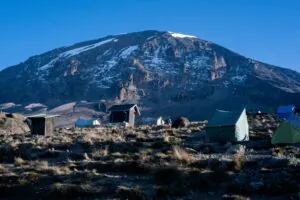
Kilimanjaro can technically be climbed year-round, but the driest and clearest conditions generally fall in January-March and June-October. The rainy seasons bring more difficult trail conditions and reduced visibility, though some experienced trekkers still choose these quieter months.
Zanzibar
Zanzibar’s climate is warm year-round, with the driest, sunniest stretch from June to October, matching well with the mainland dry season for travellers combining a safari with a beach stay. The short and long rains bring more humidity and occasional storms, though many days remain pleasant.
In Short
There is no single “best” time to visit Tanzania, only the best time for what you want to experience. If your priority is the migration river crossings, aim for July to September. If you want newborn wildlife and dramatic predator action, consider January and February. If you are climbing Kilimanjaro, favour the drier windows. And if flexibility and value matter more than perfect weather, the shoulder and rainy seasons offer a quieter, greener Tanzania at a gentler pace.