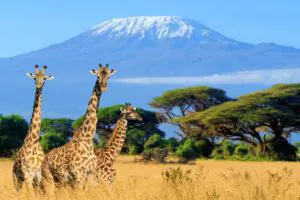
Kilimanjaro is a non-technical climb, meaning no ropes or climbing equipment are required, but it is still a serious physical and mental challenge due to altitude, distance and multiple days on the mountain. Preparing properly makes a significant difference to both your comfort and your chances of reaching the summit.
Physical Fitness
You do not need to be an elite athlete, but a solid base of cardiovascular fitness and endurance will help enormously. Regular hiking, ideally on hilly or varied terrain with a loaded daypack, is the single best preparation. Building up long, multi-hour walks in the months before your trip conditions your legs and lungs for the sustained daily effort. Strength training for your legs and core, along with general cardio work such as running, cycling or stair climbing, rounds out a solid preparation routine.
Altitude Acclimatisation
Altitude affects everyone differently, regardless of fitness level, and is the single biggest factor in summit success. Choosing a longer route with a more gradual ascent profile gives your body more time to adjust, and is widely recommended over shorter, faster itineraries. The mountaineering principle of “climb high, sleep low” is built into well-designed itineraries, and walking slowly, known locally as “pole pole”, helps your body cope better with reduced oxygen. Staying well hydrated and recognising early symptoms of altitude sickness, such as headache, nausea or dizziness, are essential, and any worsening symptoms should always be reported to your guide immediately.
Choosing a Route
Kilimanjaro has several established routes, each with a different length, scenery and acclimatisation profile. Lemosho and Machame are known for scenic diversity and reasonably good acclimatisation due to their longer duration. Marangu is the only route with hut accommodation rather than tents, but its shorter standard itinerary offers less time to acclimatise. Rongai approaches from the quieter northern side and tends to have fewer climbers. Choosing a longer itinerary on any route generally improves your chances of a successful and more comfortable summit.
Essential Gear
Layered clothing is critical, since you will pass through rainforest, moorland, alpine desert and arctic-like summit conditions on a single climb. A good waterproof and windproof outer shell, warm insulated layers, sturdy broken-in hiking boots, and a warm sleeping bag rated for sub-zero temperatures are all essential. Trekking poles reduce strain on your knees, particularly on the descent, and a headlamp is necessary for the typical pre-dawn summit push. A daypack for carrying water, snacks and extra layers during the day, separate from your main duffel carried by porters, completes the basics.
Mental Preparation
Long summit nights, cold temperatures, fatigue and the effects of altitude can test your motivation even with strong physical preparation. Setting a steady pace, breaking the climb into smaller daily goals, and trusting your guides’ experience all help maintain morale during the harder stretches, especially summit night itself.
Final Thoughts
Good preparation for Kilimanjaro comes down to three things: building genuine fitness in the months beforehand, choosing an itinerary with enough time to acclimatise properly, and packing the right layers and gear for a mountain that moves through several climate zones in a single trip. With those fundamentals in place, most reasonably fit, well-prepared trekkers can reach the summit safely.